
Natops Flight Manual: An Overview
This comprehensive guide details installation, operation, and maintenance for the MH-60R/S, aiding pilots and crew in understanding complex aircraft systems and procedures.
Historical Context and Development
The Natops Flight Manual’s evolution mirrors the MH-60R/S helicopter’s own development, originating from earlier naval aviation documentation. Initially, procedures were fragmented across various technical orders.
Over decades, a need arose for a centralized, standardized manual encompassing all operational aspects. This led to the creation of the Natops series, consolidating vital information for flight crews.
Continuous updates reflect technological advancements, incorporating lessons learned from real-world operations and safety investigations. The manual’s history demonstrates a commitment to enhancing aircrew proficiency and mission effectiveness, adapting to the ever-changing demands of modern naval aviation. It’s a living document, refined through experience.
Purpose and Scope of the Manual
The Natops Flight Manual serves as the definitive guide for MH-60R/S aircrew, detailing normal, abnormal, and emergency operating procedures. Its primary purpose is to standardize operational techniques, ensuring safety and maximizing mission success.
The scope encompasses all phases of flight, from pre-flight inspections to post-flight securing. It covers aircraft systems, limitations, performance data, and tactical considerations.
This manual isn’t merely a checklist; it’s a comprehensive resource for understanding the ‘why’ behind procedures, fostering informed decision-making. It aims to equip crews with the knowledge to confidently handle any situation encountered during flight operations, adhering to strict naval aviation standards.

MH-60R/S Specifics
This section focuses on the unique systems and procedures of the MH-60R/S helicopter, providing detailed operational guidance for its specialized capabilities.
Aircraft Systems Covered
The Natops Flight Manual meticulously details a vast array of aircraft systems crucial for safe and effective operation of the MH-60R/S. This includes, but isn’t limited to, the flight control systems, encompassing primary and secondary controls, as well as the sophisticated autopilot functionalities.
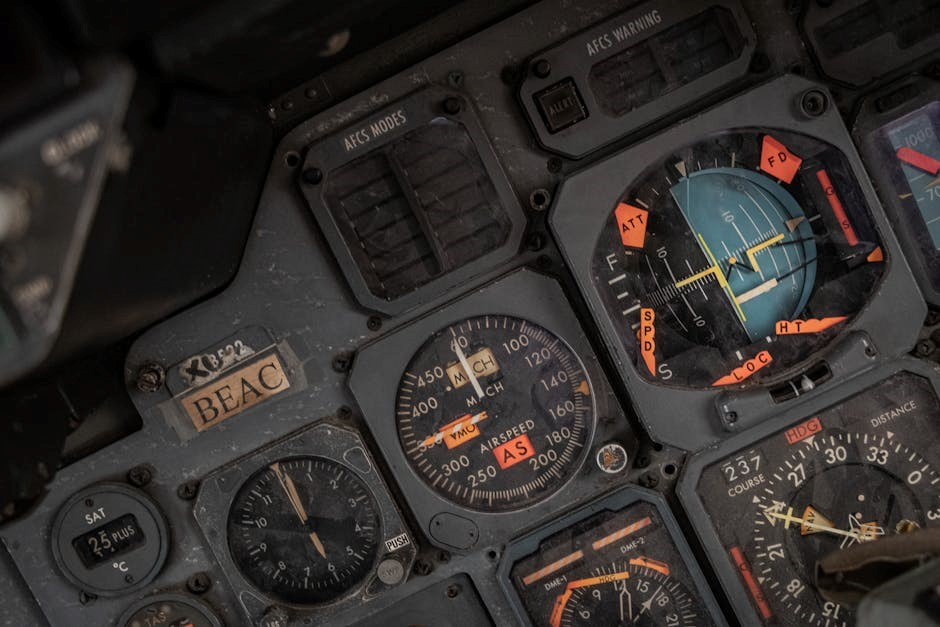
Furthermore, extensive coverage is provided for the aircraft’s engine systems, hydraulic systems, electrical systems, and fuel systems. Detailed explanations of the radar, sonar, and communication systems are also present. The manual also addresses environmental control systems, ensuring crew comfort and equipment functionality.
Weapon systems integration and operation are thoroughly documented, alongside navigation systems and mission equipment. Each system’s operational parameters, limitations, and troubleshooting procedures are clearly outlined, providing a comprehensive resource for aircrew.
Emergency Procedures
The Natops Flight Manual dedicates significant attention to comprehensive emergency procedures, vital for mitigating risks during unforeseen circumstances. Detailed checklists and step-by-step instructions are provided for handling critical situations, including engine failure, hydraulic malfunctions, and electrical system failures.
Procedures for responding to in-flight fires, loss of control, and emergency landings are thoroughly documented. The manual also covers procedures for ditching at sea, including survival equipment deployment and post-ditching actions.
Emphasis is placed on crew resource management during emergencies, promoting effective communication and coordination. Furthermore, the manual outlines procedures for dealing with various warning lights and indications, ensuring prompt and appropriate responses to potential hazards, maximizing crew survivability.
Normal Operating Procedures
The Natops Flight Manual meticulously outlines standard operating procedures (SOPs) for all phases of flight, ensuring consistent and safe operation of the MH-60R/S. These procedures cover pre-flight, taxiing, takeoff, climb, cruise, descent, approach, and landing phases.
Detailed guidance is provided on systems management, including engine operation, fuel management, and electrical power distribution. Normal checklists are integrated throughout, prompting pilots to verify critical parameters and configurations.
The manual emphasizes adherence to established limitations and procedures to prevent exceeding aircraft capabilities. It also details procedures for routine in-flight tasks, such as navigation, communication, and instrument monitoring, promoting efficient and standardized flight operations.

Understanding the Manual’s Structure
The Natops manual employs a logical organization with numbered sections, utilizing specific symbols, abbreviations, and acronyms; checklist usage is paramount for safe operation.
Section Organization and Numbering
The Natops Flight Manual meticulously structures information through a hierarchical system of sections and subsections, each assigned a unique numerical designation for easy referencing and retrieval. This numbering isn’t arbitrary; it reflects a logical progression of topics, starting with foundational concepts and building towards more complex procedures. Sections are generally organized by aircraft system, phase of flight, or specific operational scenario.
Subsections further break down these broader topics into manageable segments, allowing users to quickly locate specific details. Consistent formatting and clear headings within each section enhance readability and comprehension. This structured approach minimizes search time and ensures that critical information is readily accessible during both routine operations and emergency situations, contributing significantly to flight safety and operational efficiency.

Symbols, Abbreviations, and Acronyms

The Natops Flight Manual employs a standardized set of symbols, abbreviations, and acronyms to enhance conciseness and clarity, crucial in a high-stakes operational environment. A comprehensive glossary is included, defining each term upon its first use within the text, and a complete listing is typically found in the manual’s front matter.
Understanding these conventions is paramount for accurate interpretation of procedures and limitations. Common examples include those related to aircraft systems, navigational aids, and emergency protocols. Consistent application of these shorthand notations reduces ambiguity and minimizes the potential for miscommunication, ultimately contributing to safer and more efficient flight operations. Familiarity with this lexicon is essential for all personnel utilizing the manual.
Checklist Usage and Importance
Checklists are integral to Natops procedures, serving as a vital safeguard against errors and omissions during critical phases of flight. They ensure systematic execution of tasks, promoting standardization and minimizing reliance on memory. Proper checklist discipline – reading back and calling out each item – is non-negotiable.
Checklists aren’t merely a recitation of steps; they demand active engagement and verification. Deviations from the checklist must be documented and justified. Effective checklist usage fosters a culture of precision and teamwork, enhancing situational awareness and mitigating risk. Ignoring or shortcutting checklists compromises safety and operational effectiveness, potentially leading to catastrophic consequences.

Operational Considerations
Natops emphasizes meticulous pre-flight, in-flight, and post-flight procedures to ensure mission readiness, aircrew safety, and sustained aircraft operational capability.
Pre-Flight Inspections
Rigorous pre-flight inspections, as detailed within the Natops Flight Manual, are paramount for safe and effective MH-60R/S operations. These inspections encompass a systematic examination of all critical aircraft systems, including flight controls, engines, hydraulics, and avionics.
Pilots and aircrew must meticulously follow the prescribed checklists, verifying the proper functioning of each component and identifying any potential discrepancies. Attention to detail during this phase is crucial, as undetected issues can escalate into significant problems during flight.
The manual outlines specific procedures for external and internal inspections, covering everything from rotor blade integrity to cockpit instrument calibration. Thorough documentation of all findings in the aircraft logbook is also mandatory, ensuring a clear record of maintenance and operational status.
In-Flight Procedures
The Natops Flight Manual meticulously details standardized in-flight procedures for the MH-60R/S helicopter, ensuring operational consistency and safety. These procedures cover all phases of flight, from takeoff and climb to cruise, descent, and landing.
Pilots are guided through normal and abnormal operating conditions, with clear instructions on how to respond to various system malfunctions or emergencies. The manual emphasizes adherence to established airspeed, altitude, and power settings, optimizing performance and minimizing risk.
Specific procedures are outlined for tactical maneuvers, instrument approaches, and night operations, providing aircrews with the knowledge and skills necessary to execute missions effectively in diverse environments. Continuous monitoring of aircraft systems and adherence to crew resource management principles are also stressed.
Post-Flight Procedures
The Natops Flight Manual provides detailed post-flight procedures crucial for maintaining aircraft airworthiness and identifying potential maintenance needs. These procedures begin with a thorough inspection for any visible damage incurred during flight, encompassing the airframe, rotor system, and engine components.
Pilots are responsible for documenting all discrepancies in the aircraft logbook, providing detailed descriptions of any observed issues. Proper shutdown procedures, including securing systems and completing required paperwork, are also outlined.
Emphasis is placed on the accurate recording of flight hours, fuel consumption, and any unusual occurrences. Following these procedures ensures a comprehensive record of the aircraft’s operational history, facilitating effective maintenance and preventing future problems.
Maintenance and Troubleshooting
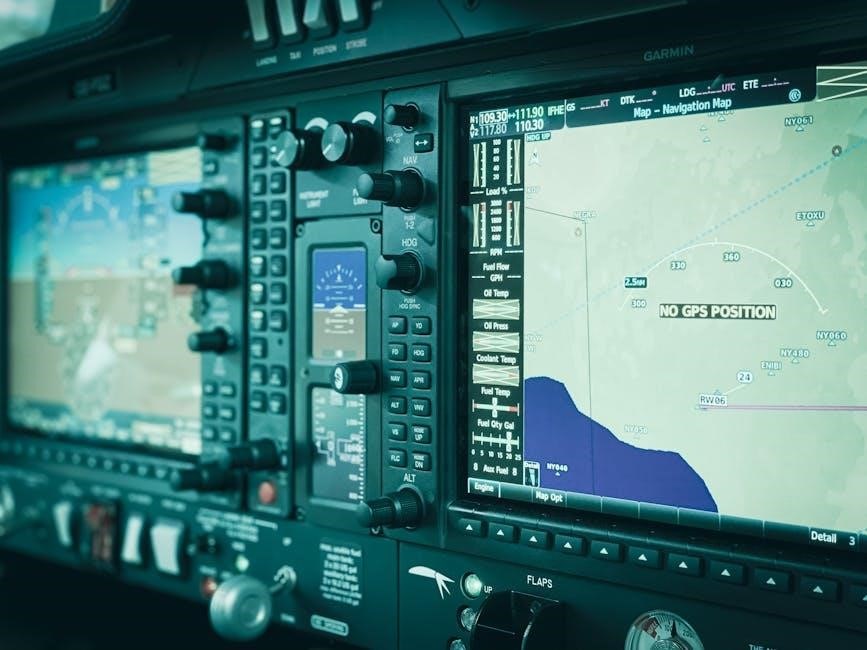
The manual details routine tasks, common malfunctions, and solutions, alongside logbook requirements, ensuring proper aircraft upkeep and swift issue resolution for safe operation.
Routine Maintenance Tasks
Natops Flight Manuals meticulously outline scheduled maintenance, encompassing inspections, lubrication, and component replacements vital for sustained airworthiness. These tasks, performed at specified intervals, prevent potential failures and optimize performance. Detailed checklists guide technicians through each step, ensuring consistency and adherence to strict standards. Regularly scheduled checks include fluid level verification, filter replacements, and thorough examination of critical systems like hydraulics and avionics. The manual emphasizes preventative measures, extending component lifespan and reducing unscheduled downtime. Proper documentation of all maintenance activities within the aircraft logbook is paramount, providing a comprehensive history for tracking and future reference. Adherence to these routines directly contributes to flight safety and operational readiness, minimizing risks and maximizing mission effectiveness.
Common Malfunctions and Solutions
Natops Flight Manuals dedicate significant sections to identifying prevalent system malfunctions and detailing corresponding corrective actions; These range from minor issues like sensor failures to more critical problems affecting flight controls or engine performance. Troubleshooting flowcharts guide technicians through diagnostic procedures, pinpointing the root cause efficiently. The manual provides step-by-step instructions for repairs, component replacements, and system resets. Emphasis is placed on safety precautions during troubleshooting, minimizing risks to personnel and aircraft. Common issues addressed include hydraulic leaks, electrical faults, and avionics anomalies. Detailed diagrams and illustrations aid in understanding complex systems. Properly utilizing this information ensures swift and effective resolution of malfunctions, restoring operational capability and maintaining flight safety.
Logbook Requirements
Natops Flight Manuals strictly enforce detailed logbook documentation for all maintenance actions, inspections, and repairs. Accurate and comprehensive records are crucial for tracking aircraft history and ensuring continued airworthiness. Entries must include date, time, description of work performed, parts used (with serial numbers), and technician’s signature and certification number. Discrepancies and malfunctions require thorough documentation, detailing symptoms, troubleshooting steps, and corrective actions taken. Regular inspections necessitate specific logbook entries verifying compliance with scheduled maintenance programs. Proper logbook maintenance is essential for regulatory compliance and facilitates efficient tracking of aircraft status. These records are vital during audits and contribute to overall flight safety and operational reliability.

Language and Linguistic Nuances (Related to ‘لا’)
While seemingly unrelated, understanding Arabic negation (‘لا’, ‘ما’, ‘-ش’) highlights the importance of precise language interpretation within complex technical documentation.
The Negative Imperative ‘لا’ (La)
The Arabic negative imperative ‘لا’ (la) represents a formal prohibition or a negative command, instructing against a specific action. Within the context of a Natops Flight Manual, though seemingly distant from operational procedures, recognizing this linguistic structure underscores the critical importance of precise interpretation.

While the manual itself is in English, awareness of the underlying linguistic principles – even those from a different language family – reinforces the need for meticulous attention to detail. ‘La’ typically precedes a verb in the present tense, creating a direct negative instruction.
Understanding that ‘لا’ is often used in fixed expressions, and its conjugation differs based on context, mirrors the need to comprehend the nuanced language within technical documentation, ensuring accurate execution of procedures and preventing potential errors during flight operations.
Usage of ‘ما’ (Ma) and ‘-ش’ (-sh) in Negation
While seemingly unrelated to flight operations, the contrasting formality of Arabic negation – utilizing ‘ما’ (ma) and the suffix ‘-ش’ (-sh) alongside ‘لا’ (la) – highlights the importance of recognizing varying levels of communication precision. ‘Ma’ and ‘-sh’ represent more informal negation styles, mirroring the potential for colloquialisms or simplified phrasing even within technical documentation.
A Natops Flight Manual demands absolute clarity; however, understanding that language evolves and informal expressions can creep into communication channels reinforces the need for critical assessment of all received information.
Just as ‘la’ provides a formal prohibition, recognizing the subtle differences in negation emphasizes the pilot’s responsibility to verify and confirm instructions, ensuring unambiguous understanding of procedures and minimizing the risk of misinterpretation during critical phases of flight.
Grammatical Variations and Contextual Meaning
Although seemingly distant from aviation, the nuanced grammatical variations surrounding ‘لا’ (la) in Arabic underscore a critical principle applicable to Natops Flight Manual interpretation: contextual awareness. The manual’s precision demands recognizing how subtle shifts in phrasing can alter meaning, mirroring the impact of even minor deviations from established procedures.
The varying movement (harakat) of verbs and nouns following ‘لا’ demonstrates that meaning isn’t solely derived from individual words, but their relationship within a sentence. This parallels the need to understand the complete operational context before executing any procedure.
Pilots must interpret instructions not just literally, but within the broader framework of the flight plan, aircraft state, and environmental conditions, ensuring a comprehensive and accurate understanding.